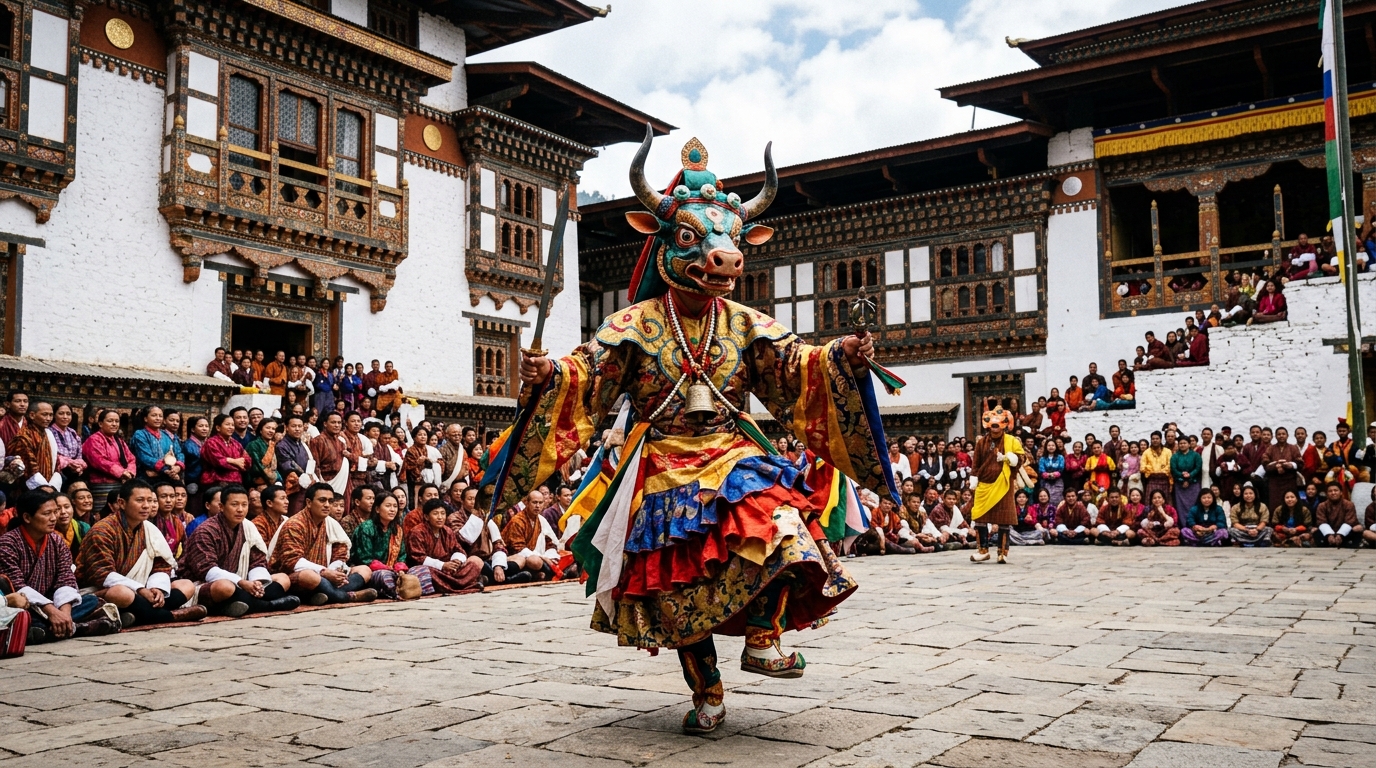
Wangdue Phodrang Tsechu
Sacred Cham mask dances and the unique Dance of the Ox at Wangdue Phodrang Dzong.
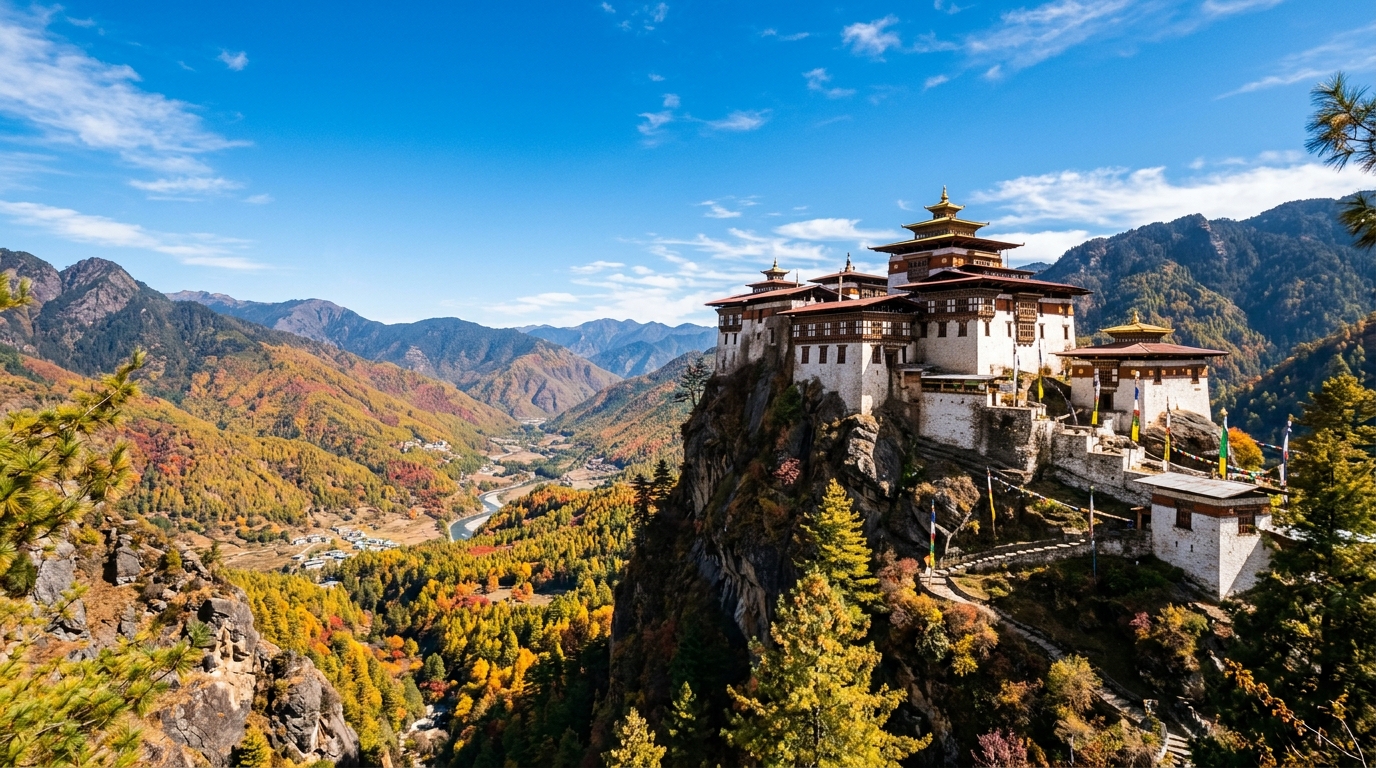
Three days of sacred Cham mask dances, the legendary Dance of the Ox, and the unfurling of the Guru Tshengye Thongdrol at one of Bhutan's oldest and most spirited festivals. The Wangdue Phodrang Tsechu has been celebrated continuously since 1639, and it is as vivid today as it has ever been.
Festival
19-21 Sep 2026
Location
Wangdue, Bhutan
Duration
8 Days / 7 Nights
Group Size
Max 12 Guests
Guide
Licensed Bhutanese Guide
Limited Places. Small Groups. September 2026.
Why This Festival
Most visitors to Bhutan see empty dzongs and quiet courtyards.
At the Wangdue Phodrang Tsechu, those same spaces fill with thousands of Bhutanese in their finest national dress, the air thick with incense and ceremonial horns, as monks perform mask dances that have not changed in centuries.
This is not a cultural display staged for tourists.
This is Bhutan celebrating itself.
Small Groups
Intimate tours of 2 to 12 guests
Licensed Guide
A certified Bhutanese guide throughout
What You Will Experience
Eight days through sacred dzongs, mountain passes, a valley homestay, and one of central Bhutan's oldest and most spirited autumn festivals.
Sacred Cham mask dances and the unique Dance of the Ox at Wangdue Phodrang Dzong.
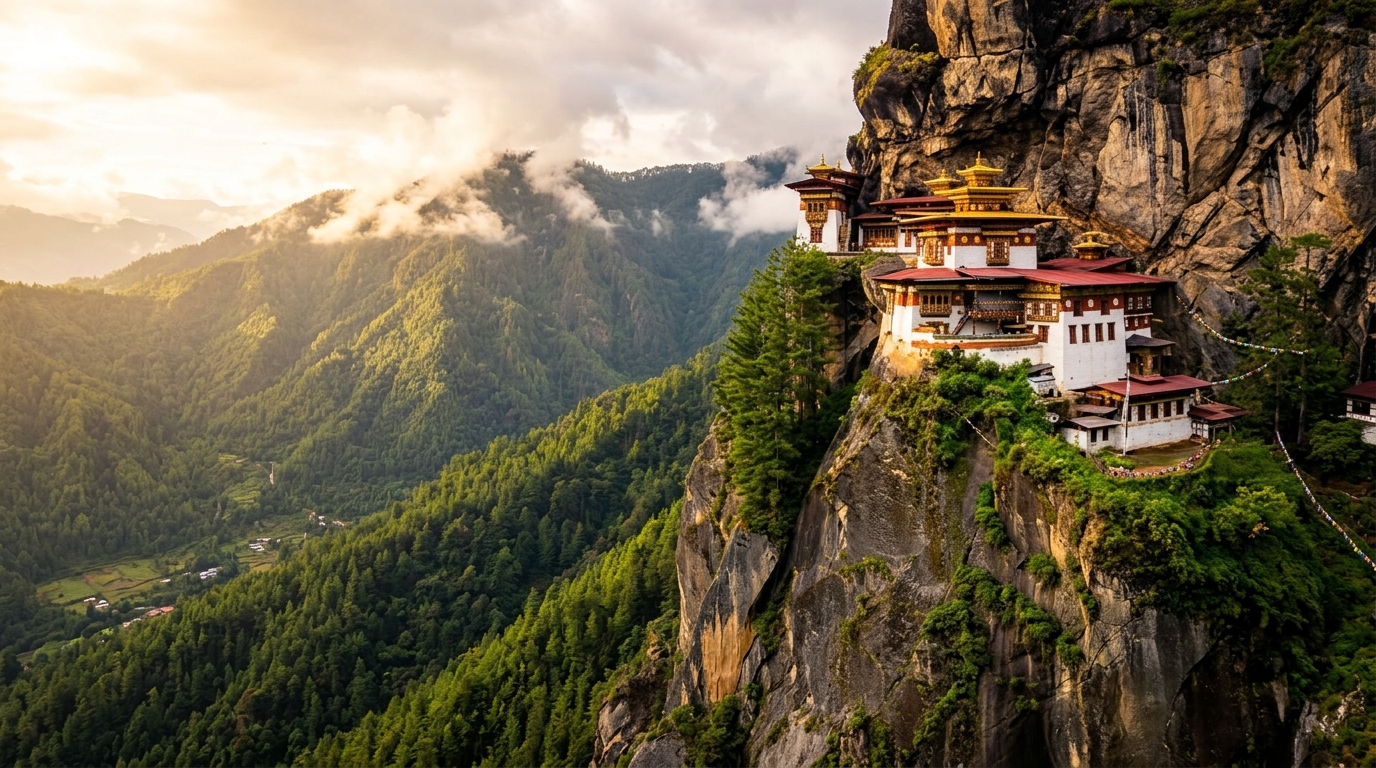
A 2 to 3 hour hike through pine forest to Taktsang, perched 800 metres above the Paro Valley.
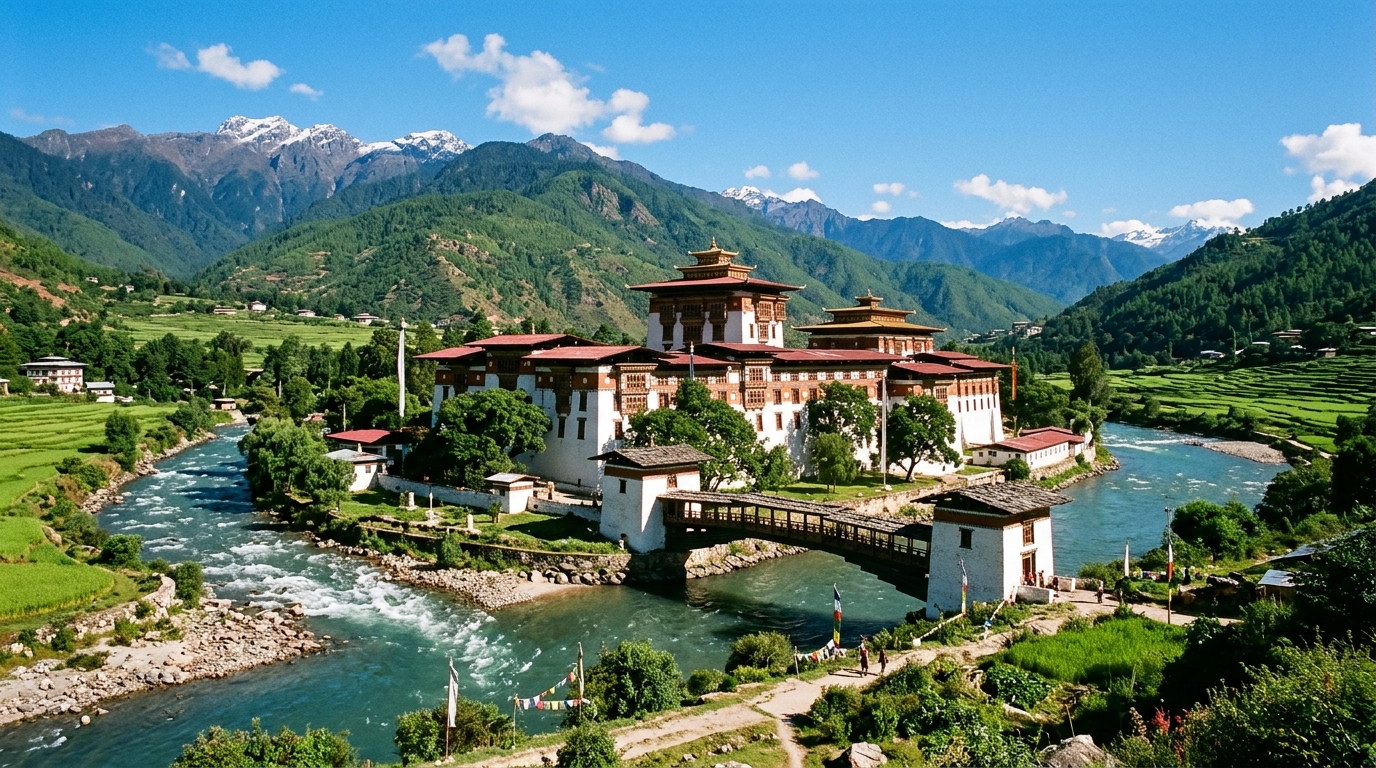
The fortress monastery at the confluence of two sacred rivers in the lush Punakha Valley.
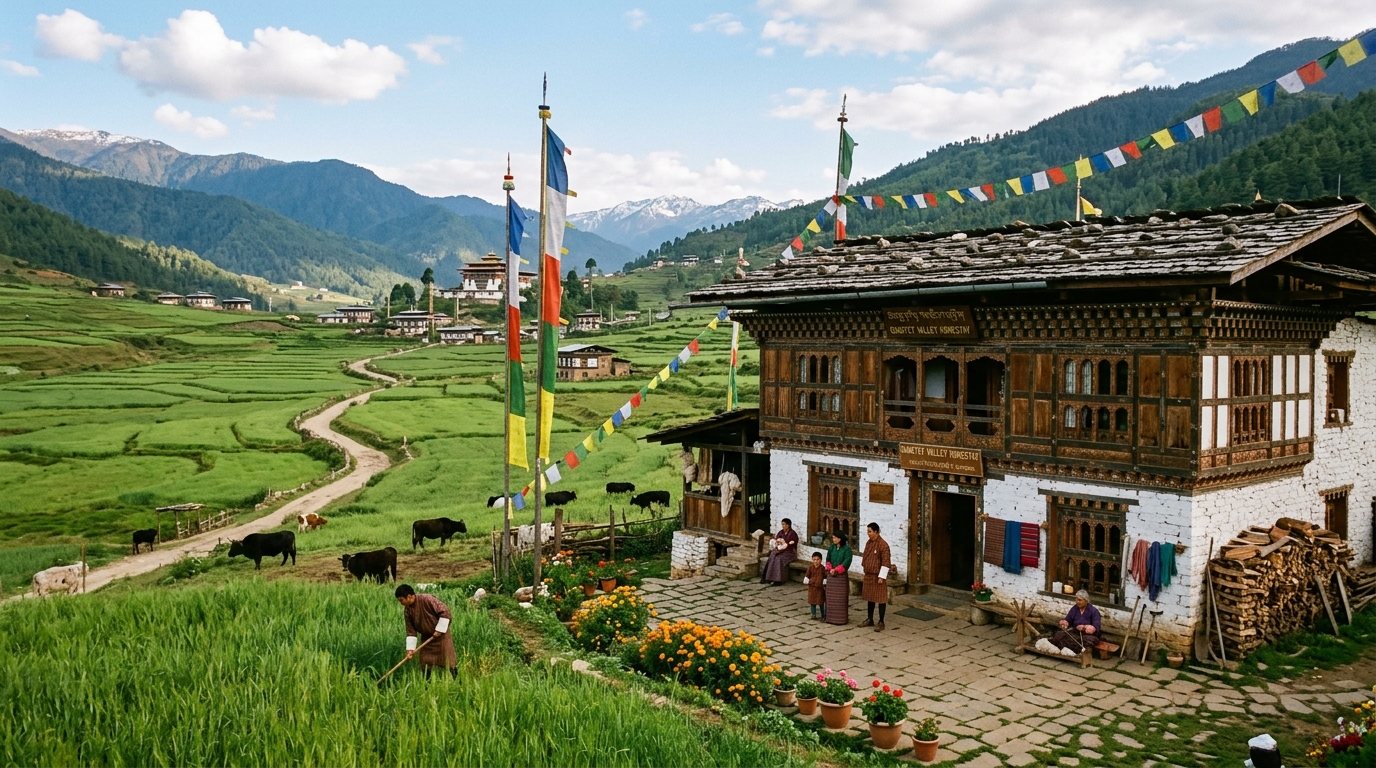
Two nights with a Bhutanese family in Gangtey, sharing meals and learning village traditions.
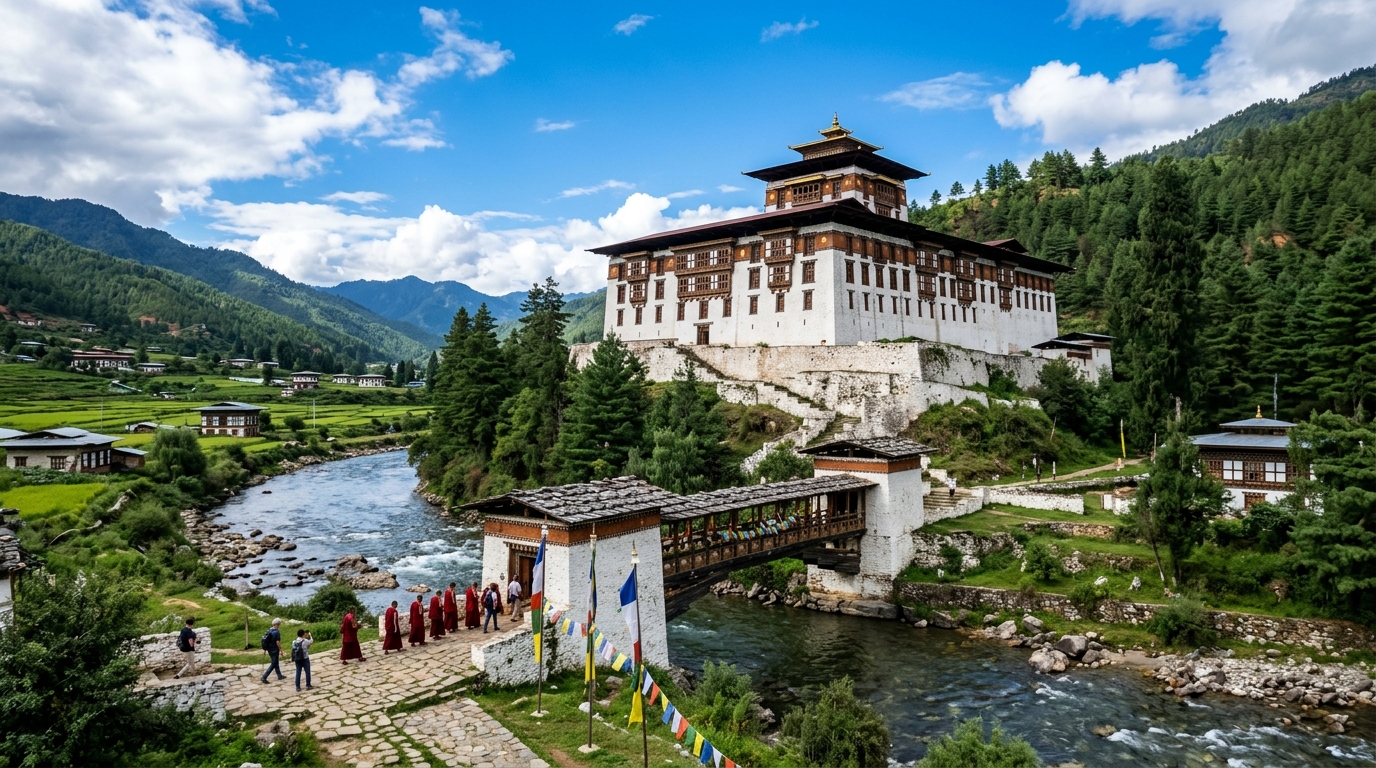
The 17th century fortress monastery and the National Museum, plus an incense making workshop.
Plus the unmissable moments
The Tour
Start and finish in Paro. Small groups of 2 to 12 people. 6 nights in 3-star hotels plus 1 night at a traditional village homestay in Gangtey. Tour dates: 17 to 24 September 2026. Wangdue Phodrang Tsechu: 19 to 21 September.
Day by day itinerary
Day 1
Arrive at Paro airport, then visit Ta Dzong national museum, Paro Dzong, and the Nado Poizokhang Incense Factory.
Day 2
Cross the 3,050 metre Dochu La Pass with its 108 memorial chortens, then hike to the pilgrimage temple of Chimi Lhakhang in the Punakha Valley.
Day 3
Walk to Khamsum Chorten, visit Punakha Dzong, then drive to Gangtey to settle into your traditional village homestay.
Day 4
Nature walk through the valley, visit the 17th century Gangtey Monastery, and spend time with your host family.
Day 5
Travel to Thimphu via Rinchengang village and Wangdue Phodrang Dzong, attending the Tsechu festival en route.
Day 6
Visit the Memorial Chorten, Folk Heritage Museum, School of Arts and Crafts, Takin Research Centre, and the weekend market.
Day 7
Hike to Taktsang Monastery, then visit Drukgyel Dzong ruins and the 7th century Kyichu Lhakhang temple. Optional hot stone bath and farewell farmhouse dinner.
Day 8
Free time in Paro before your airport transfer and departure flight.
Where You Stay
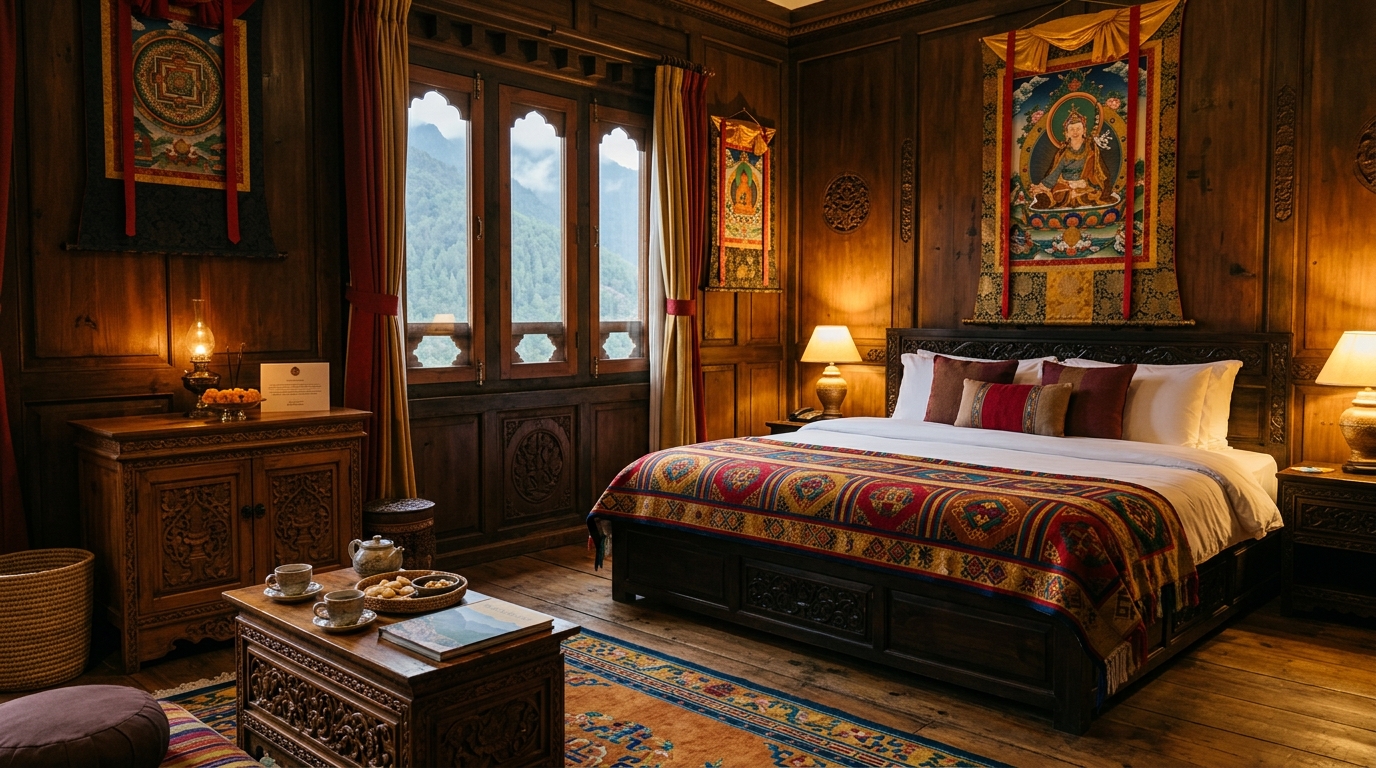
Six nights in carefully selected 3-star hotels, the Mandala Hotel in Paro, RKOP Green Resort in Punakha, and the Ariya Hotel in Thimphu, plus one night at the Gakiling Guest House homestay in Gangtey. All hotels meet strict Bhutanese government standards for tourist accommodation. September brings clear skies and the country at its most alive.
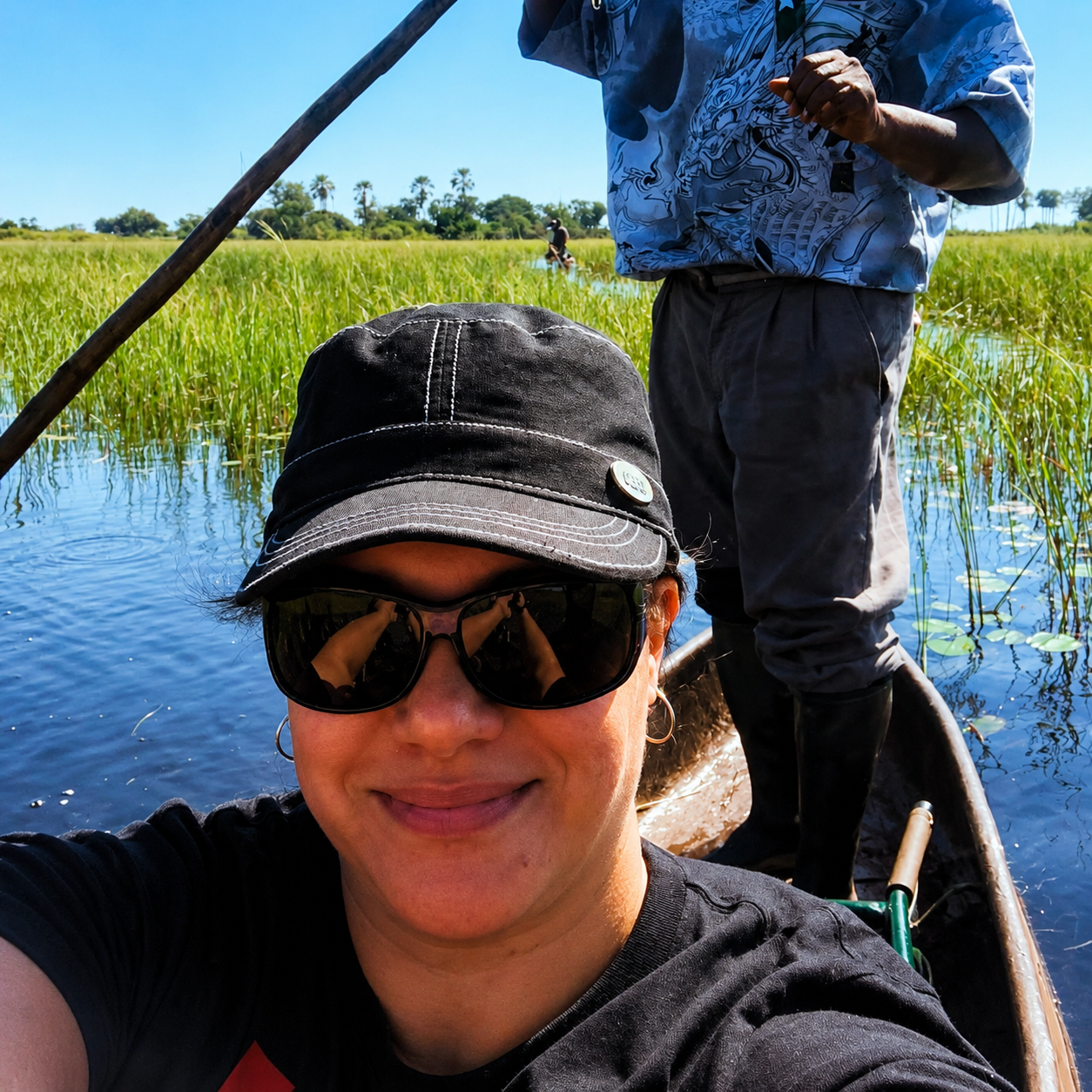
“The Tsechu festivals are the reason many people fall in love with Bhutan. Getting the timing right, the right guide, and understanding what you are watching makes all the difference. I am here to make sure every detail is sorted before you go.”
Mariska Knoesen, Sales Manager at Encounters Travel
Questions about the Tsechu, the homestay, what to wear to the festival, or flights into Paro? Chat directly with Mariska.
Practical Details
About the Wangdue Phodrang Tsechu
The Festival
A Tsechu is Bhutan's most important category of religious festival, held annually in honour of Guru Rinpoche, the Indian saint who brought Tantric Buddhism to Bhutan in the 8th century. Every district holds its own, but the Wangdue Phodrang Tsechu is among the most spirited and most deeply attended by local people.
It takes place over three days at Wangdue Phodrang Dzong, the imposing 17th century fortress above the town, and has been celebrated continuously since its founding by Zhabdrung Ngawang Namgyal in 1639. Monks in elaborate silk costumes perform the Cham, sacred mask dances that enact the defeat of evil, the path to enlightenment, and the deeds of Guru Rinpoche. The Atsaras, red-masked jesters, move through the crowd with comedy that carries its own spiritual teaching.
The highlight unique to Wangdue is the Raksha Mangcham, the Dance of the Ox, a sacred performance believed to ensure a peaceful afterlife for all who witness it. The festival concludes with the unfurling of the Guru Tshengye Thongdrol, an enormous painted scroll whose sight alone is believed to grant liberation from suffering.
Since 1639
one of Bhutan's oldest continuous festivals
3 days
of sacred Cham mask dances and ritual
Why Wangdue Phodrang
Unlike Bhutan's larger Tsechus which draw significant international visitor numbers, Wangdue draws primarily Bhutanese pilgrims and locals. You are a guest at something real, not the main audience for it.
The Raksha Mangcham, the sacred performance believed to ensure a peaceful afterlife, is performed only at Wangdue Phodrang. Seeing it here means seeing the only version that exists anywhere on Earth.
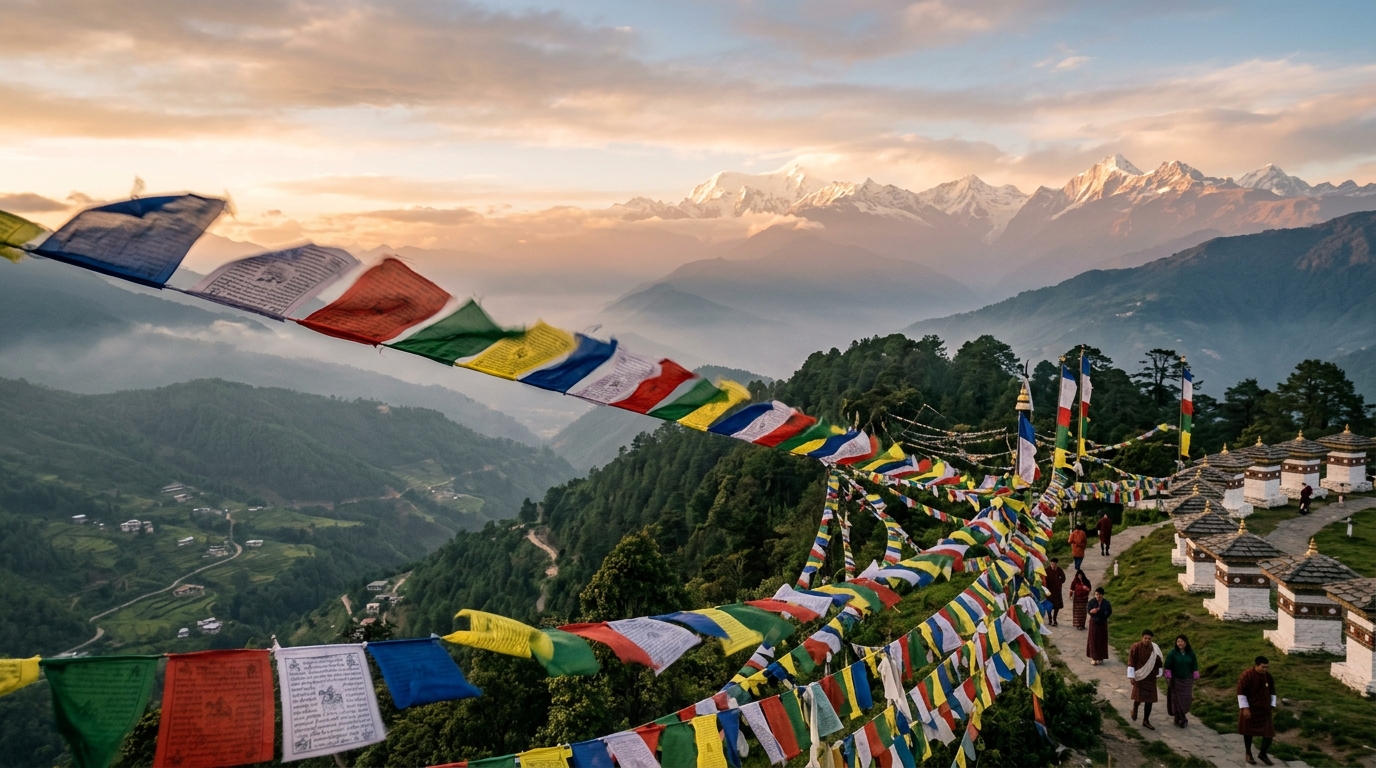
Late September brings clear skies and crisp air after the monsoon season. The valleys are green, the mountain views are sharp, and the dzong is at its most dramatic against the autumn sky.
The itinerary is structured around the 19 to 21 September festival dates so you are in Wangdue Phodrang when the Tsechu is at its height, with a licensed local guide who knows the festival and the site.